

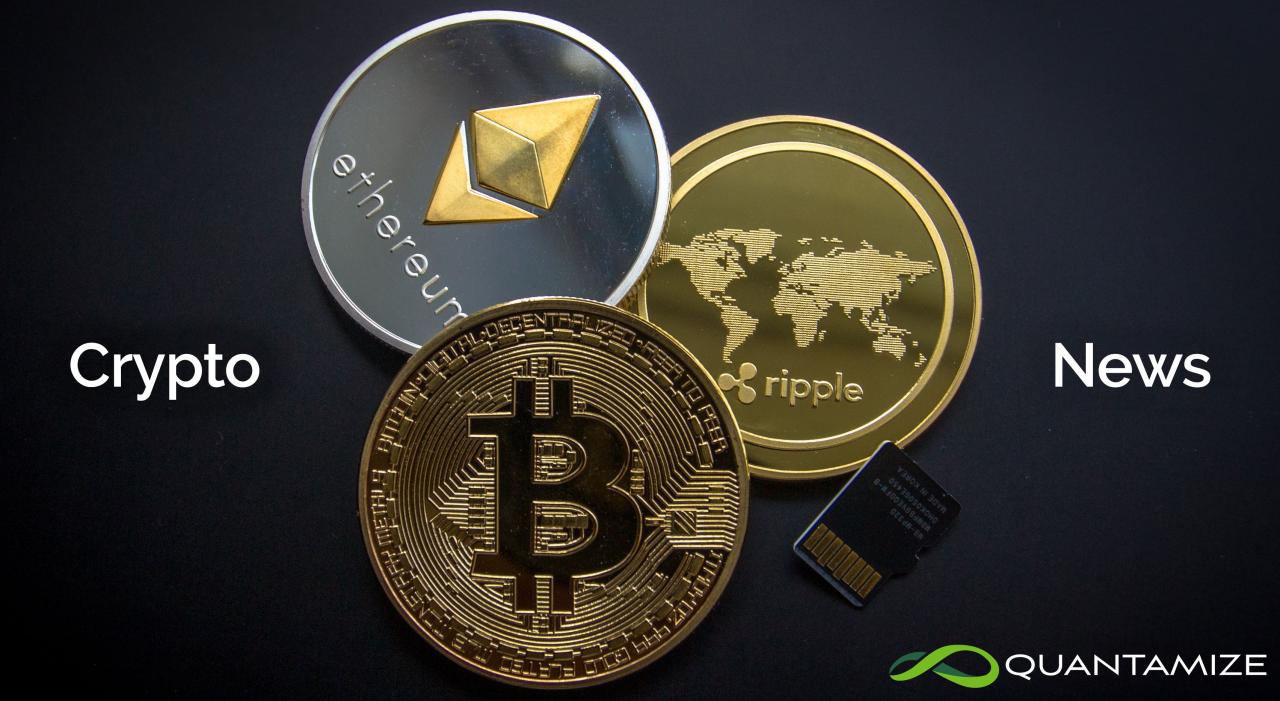
For over a decade, cryptocurrency has been defined by one word — volatility. The market’s extreme ups and downs have both attracted risk-takers and scared away conservative investors. Bitcoin’s price swings, Ethereum’s gas fees, and countless token crashes have created an image of crypto as a digital roller coaster.
However, as the industry matures, a new chapter is beginning—one where blockchain innovation, real-world utility, and institutional adoption are leading the conversation instead of price speculation. The question is no longer “How high will Bitcoin go?” but “How can crypto reshape global finance and technology sustainably?”
This article explores the next phase of crypto beyond volatility: the evolution toward utility, stability, and long-term adoption.
The Evolution of Cryptocurrency
When Bitcoin emerged in 2009, it promised financial freedom through decentralization. Over the years, thousands of alternative cryptocurrencies, or altcoins, entered the scene, expanding the blockchain ecosystem.
Initially, the crypto landscape revolved around speculation and hype. Traders sought quick profits, and projects rose and fell based on trends. But now, after multiple market cycles and regulatory pressure, the industry is shifting toward maturity.
This transition can be understood through three key stages:
A. The Speculative Era
During the early days, crypto was driven by traders seeking short-term gains. The focus was on token prices, not product innovation.
B. The Experimental Era
Between 2017 and 2020, decentralized applications (DApps), ICOs, and NFTs exploded in popularity. This period tested blockchain’s potential but also exposed weaknesses like scams and poor scalability.
C. The Institutional Era
Today, governments, banks, and major corporations are exploring blockchain integration. The emphasis has moved from speculation to sustainable adoption and regulation.
From Volatility to Value: A Market in Transition
The narrative of crypto as a “get-rich-quick” tool is fading. Instead, developers, investors, and regulators are prioritizing long-term stability.
A. Institutional Involvement
Global financial institutions like BlackRock, Fidelity, and JP Morgan now manage crypto-related products. This institutional presence brings credibility and reduces price manipulation by whales.
B. Regulatory Maturity
Governments are developing clearer frameworks for digital assets, reducing uncertainty. Regulation, once seen as a threat, is now viewed as a catalyst for legitimacy.
C. Technological Advancements
Layer-2 scaling solutions, interoperability protocols, and energy-efficient consensus mechanisms are making blockchain faster, cheaper, and greener.
D. Stablecoins and Tokenization
The rise of stablecoins like USDC and tokenized real-world assets provides a bridge between traditional finance and crypto, creating stability and accessibility.
The Role of Stablecoins and CBDCs
One of the biggest factors in reducing volatility is the rise of stable digital assets.
A. Stablecoins as a Financial Bridge
Stablecoins peg their value to fiat currencies, such as the US dollar, enabling stable transactions and remittances. They provide liquidity in DeFi platforms and serve as on-ramps for new users.
B. Central Bank Digital Currencies (CBDCs)
Countries like China, the U.S., and members of the EU are exploring government-backed digital currencies. These CBDCs combine blockchain technology with state regulation, offering a middle ground between decentralization and stability.
C. Impact on Traditional Banking
Stablecoins and CBDCs are reshaping cross-border payments, reducing transaction costs, and improving financial inclusion in emerging economies.
The Rise of Real-World Utility
Cryptocurrency’s next chapter is defined by use cases, not speculation. Blockchain is moving beyond trading charts into industries like logistics, gaming, healthcare, and even governance.
A. Decentralized Finance (DeFi)
DeFi platforms allow users to lend, borrow, and earn interest without intermediaries. They demonstrate the true financial potential of blockchain technology.
B. Non-Fungible Tokens (NFTs)
While the NFT hype cooled down, their underlying utility continues to expand—especially in digital identity, real estate, and intellectual property management.
C. Supply Chain Transparency
Companies are using blockchain to track the origin and authenticity of goods, promoting transparency in industries like food, luxury fashion, and pharmaceuticals.
D. Blockchain in Healthcare
From managing patient data securely to verifying clinical trials, blockchain is modernizing healthcare systems with immutable records and privacy protection.
E. Gaming and the Metaverse
Play-to-earn models, tokenized assets, and virtual economies are merging entertainment with real financial ecosystems.
Decentralization and Community Governance
At the heart of crypto lies decentralization—the belief that power should be distributed among users rather than concentrated in a few hands.
A. Decentralized Autonomous Organizations (DAOs)
DAOs enable communities to vote on protocol changes, investments, and governance decisions. They represent a new form of digital democracy.
B. Open-Source Development
Open collaboration fuels innovation. Blockchain projects that remain transparent and community-driven tend to achieve more sustainable growth.
C. Token-Based Voting Systems
Governance tokens give users a voice in shaping project directions, aligning incentives between creators and users.
Challenges Ahead for Crypto’s Maturity
While progress is evident, several challenges remain before crypto can fully move beyond volatility.
A. Regulatory Uncertainty
Although regulations are improving, differing laws between countries create complexity for global operations.
B. Security Threats
Hacks, rug pulls, and smart contract vulnerabilities still plague the ecosystem. Stronger auditing and compliance are necessary.
C. Environmental Concerns
Proof-of-work systems consume large amounts of energy. Transitioning to greener models like proof-of-stake is critical for sustainability.
D. Market Manipulation
Despite institutional presence, pump-and-dump schemes and speculative hype still distort prices in smaller projects.
E. Public Perception
Mainstream users often associate crypto with scams or speculation. Building trust through education and transparency is vital.
How Developers Are Building the Future
The future of crypto lies in innovation that addresses real-world problems. Developers are now focusing on usability, security, and integration with existing systems.
A. Layer-2 Networks
Solutions like Optimism and Arbitrum improve scalability by processing transactions off-chain before syncing them to the main network.
B. Interoperability Protocols
Projects such as Polkadot and Cosmos enable different blockchains to communicate, creating a connected multi-chain ecosystem.
C. Energy-Efficient Blockchains
Ethereum’s transition to proof-of-stake reduced its energy consumption by over 99%, setting a new standard for sustainable crypto development.
D. AI and Blockchain Synergy
Integrating AI into blockchain enables predictive analytics, fraud detection, and automated decision-making in decentralized systems.
E. Real-World Asset Tokenization
From real estate to carbon credits, tokenization allows physical assets to be traded seamlessly on blockchain platforms.
Institutional Adoption: The Game-Changer
Institutions are no longer sitting on the sidelines. Their entry marks a turning point in crypto’s evolution.
A. Exchange-Traded Funds (ETFs)
Bitcoin and Ethereum ETFs are now available in multiple countries, giving traditional investors exposure to crypto through regulated markets.
B. Custody and Compliance Solutions
Banks are offering crypto custody services, bridging traditional finance with digital assets.
C. Corporate Blockchain Adoption
Companies like Visa, PayPal, and IBM integrate blockchain into payment and logistics systems, signaling confidence in the technology’s long-term value.
D. Insurance and Risk Management
New insurance products protect investors against crypto hacks, theft, or loss—further stabilizing the ecosystem.

The Human Element: Education and Awareness
To move beyond volatility, crypto adoption must come with education.
A. Financial Literacy
Understanding blockchain technology and decentralized systems helps users make informed decisions and avoid scams.
B. Developer Education
Coding academies and universities are offering blockchain-focused courses to train the next generation of developers.
C. Public Awareness Campaigns
Governments and private institutions are promoting awareness about responsible crypto use, combating misinformation.
D. Ethical and Cultural Considerations
Designing crypto ecosystems that respect cultural differences and ethical standards is key to global adoption.
The Future Outlook
Cryptocurrency is entering its most transformative phase yet—a period of consolidation, innovation, and regulation. The next decade will not be defined by price volatility but by practical integration and mass adoption.
A. Integration with Traditional Finance
We are moving toward a hybrid economy where digital and traditional assets coexist seamlessly.
B. Mass Adoption Through Simplified UX
Future crypto platforms will emphasize ease of use, bringing blockchain to the masses without requiring technical expertise.
C. AI-Driven Market Stability
Artificial Intelligence will help predict volatility, optimize trading strategies, and prevent systemic risks in DeFi ecosystems.
D. Global Policy Alignment
Unified international standards will streamline cross-border crypto operations.
E. Sustainable Development
The crypto community is embracing green initiatives, carbon-neutral mining, and eco-friendly consensus mechanisms.
Conclusion
The story of cryptocurrency is evolving. The wild days of unrestrained speculation are giving way to a more stable, transparent, and purposeful era. Crypto’s next chapter is about more than just financial gain—it’s about building trust, enhancing inclusion, and reshaping the future of digital economies.
Blockchain technology is no longer an experiment; it’s becoming infrastructure. The innovators, developers, and institutions that prioritize ethical practices and long-term vision will define the next wave of progress.
Volatility may have defined crypto’s past, but innovation, regulation, and real-world impact will define its future. The next chapter has already begun—and it’s powered by purpose, not just profit.