


The journey of a high-growth startup is often compared to building a plane while it is already soaring through the clouds. To maintain altitude and increase speed, a continuous and strategic influx of capital is absolutely essential for survival. Many founders make the mistake of chasing any available check without considering the long-term implications of their cap table.
Securing the right kind of funding is not just about the dollar amount; it is about finding partners who bring expertise, networks, and stability to the table. In today’s competitive market, a “growth at all costs” mentality is being replaced by a focus on sustainable unit economics and efficient capital deployment. Understanding the different stages of the funding lifecycle allows entrepreneurs to time their raises perfectly, avoiding unnecessary dilution or premature burnout.
This deep dive into funding strategies will help you navigate the complex world of private equity, debt, and alternative financing. By the end of this guide, you will have a clear blueprint for fueling your company’s ascent while retaining the control and vision that made you start the business in the first place.
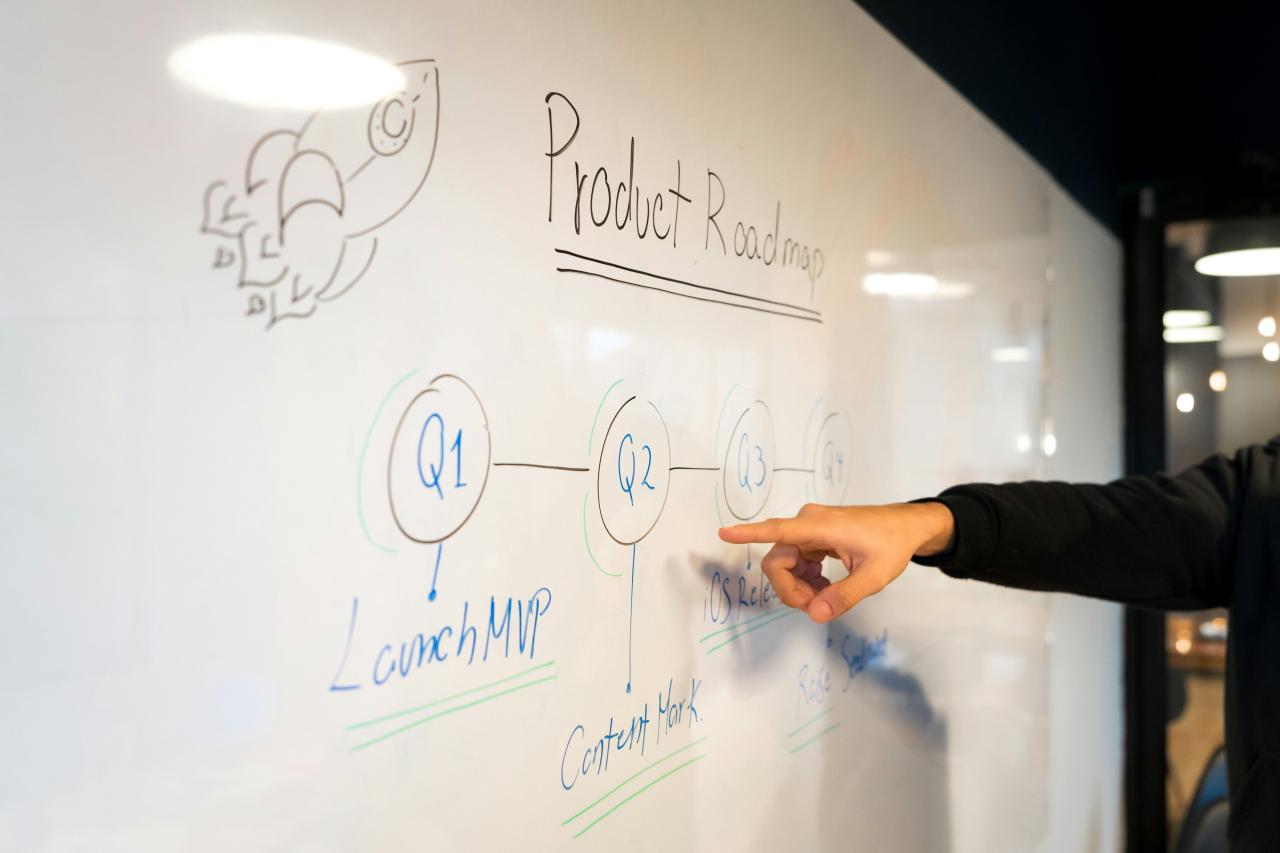
The road to a billion-dollar valuation is paved with smart financial decisions made during the early days. You must treat your fundraising efforts as a core product of the company, requiring its own roadmap and constant iteration.
The Seed Stage and Angel Investor Landscape

At the very beginning, your startup is likely just an idea or a rough prototype with a small group of early believers. Funding at this stage is primarily based on the strength of the founding team and the size of the total addressable market.
A. Leveraging personal networks and “friends and family” rounds to build the initial Minimum Viable Product (MVP).
B. Pitching to angel investors who provide smaller checks but offer invaluable mentorship and industry introductions.
C. Participating in startup incubators and accelerators that offer seed capital in exchange for a small equity stake.
D. Utilizing equity crowdfunding platforms to validate your product with a large base of early adopters and small-scale investors.
Seed funding is the fuel for your first experiments. It allows you to prove your hypothesis and gather the data necessary to attract larger institutional players in the next phase.
Mastering the Institutional Venture Rounds
Once you have found product-market fit, it is time to approach professional firms that specialize in scaling businesses. These “Series A” and “Series B” rounds are significantly more rigorous and data-driven than the seed stage.
A. Preparing a comprehensive data room that includes audited financials, cohort analysis, and customer acquisition costs.
B. Identifying lead investors who have a history of supporting companies in your specific niche or vertical.
C. Negotiating term sheets that balance the valuation of the company with protective provisions and board seats.
D. Executing a “syndicate” strategy where multiple firms join the round to provide a broader network of support.
Institutional investors are looking for a repeatable and scalable sales machine. They want to see that for every dollar they give you, you can predictably turn it into three or four dollars of future revenue.
Strategic Corporate Venture Capital (CVC)
Many large corporations have their own investment arms designed to find innovative startups that align with their business goals. CVC can be a powerful ally, but it comes with a unique set of pros and cons.
A. Gaining access to the corporation’s massive distribution channels and existing customer base.
B. Utilizing the corporation’s research and development facilities to accelerate your product timeline.
C. Navigating potential conflicts of interest if the corporation’s goals change or if they launch a competing product.
D. Ensuring that the investment does not prevent you from being acquired by a competitor of the corporate investor.
A corporate partner can lend immense credibility to a young startup. If handled correctly, a CVC investment is often a precursor to a lucrative acquisition or a major commercial partnership.
Alternative Debt Financing and Venture Debt
Equity is the most expensive way to fund a company because you are giving away a piece of your future. Smart founders often use debt as a “bridge” or a way to extend their runway without additional dilution.
A. Using venture debt to finance hardware purchases, equipment, or specific marketing campaigns with high ROI.
B. Securing lines of credit based on your recurring revenue (SaaS) or accounts receivable.
C. Implementing revenue-based financing where you pay back the loan as a percentage of your monthly sales.
D. Using convertible notes to delay the valuation conversation until a more significant milestone is reached.
Debt is a tool that should be used with caution and precision. When used correctly, it allows the founders to maintain more ownership of the company as it increases in value.
The Late-Stage Growth and Pre-IPO Rounds
As your company matures and begins to dominate its category, the funding rounds become much larger and involve “crossover” investors. These rounds are often focused on international expansion or preparing for a public exit.
A. Attracting private equity firms and sovereign wealth funds that can write checks in the hundreds of millions.
B. Conducting “secondary” sales where early employees and investors can liquidate some of their shares for cash.
C. Focusing on profitability and EBITDA as you move away from the “growth at all costs” phase.
D. Choosing a team of investment bankers and legal advisors to navigate the complexities of a public offering.
Late-stage funding is about professionalization and scale. By this point, the startup has become a major industry player and is operating on a global stage.
Crafting a Winning Pitch and Narrative
Regardless of the funding stage, your ability to tell a compelling story is your most important fundraising skill. You are not just selling a business; you are selling a vision of the future.
A. Developing a “teaser” deck that grabs attention in less than sixty seconds.
B. Creating a detailed financial model that shows a clear path to $100 million in annual recurring revenue.
C. Practicing your delivery to handle tough questions about competition, churn, and unit economics.
D. Building a “FOMO” (Fear Of Missing Out) environment by running a tight, competitive fundraising process.
A great narrative turns a dry spreadsheet into an emotional journey. It convinces investors that your company is the inevitable winner in your chosen market.
Managing Post-Funding Operations
Getting the money in the bank is just the beginning of the next chapter. You must now manage the expectations of your new board members and deliver on the promises you made during the pitch.
A. Implementing rigorous monthly reporting and board meeting cadences to maintain transparency.
B. Hiring key executive talent (CFO, COO, VP of Sales) to manage the influx of capital and complexity.
C. Balancing the need for rapid growth with the necessity of maintaining a healthy company culture.
D. Keeping a “war chest” of cash to stay resilient during unexpected economic downturns or competitive attacks.
Investors don’t just give you money; they give you a boss. Learning to manage up and utilize your board’s expertise is a critical skill for any high-growth CEO.
Conclusion
Funding is the lifeblood that allows a startup to transform from a dream into a world-changing reality. It is a continuous process of proving your value to the outside world. Never lose sight of the fact that you are building a real business, not just a fundraising machine. The best time to raise money is when you don’t desperately need it to survive. Keep your cap table clean and your vision clear as you navigate the different rounds.
Every investor you bring on board is a long-term partner in your success. The ultimate goal of funding is to reach a point where the business can sustain itself. Resilience and adaptability are more important than your initial valuation. Stay focused on the customer while you manage the complexities of finance. The future belongs to those who can fuel their growth with intelligence and integrity.